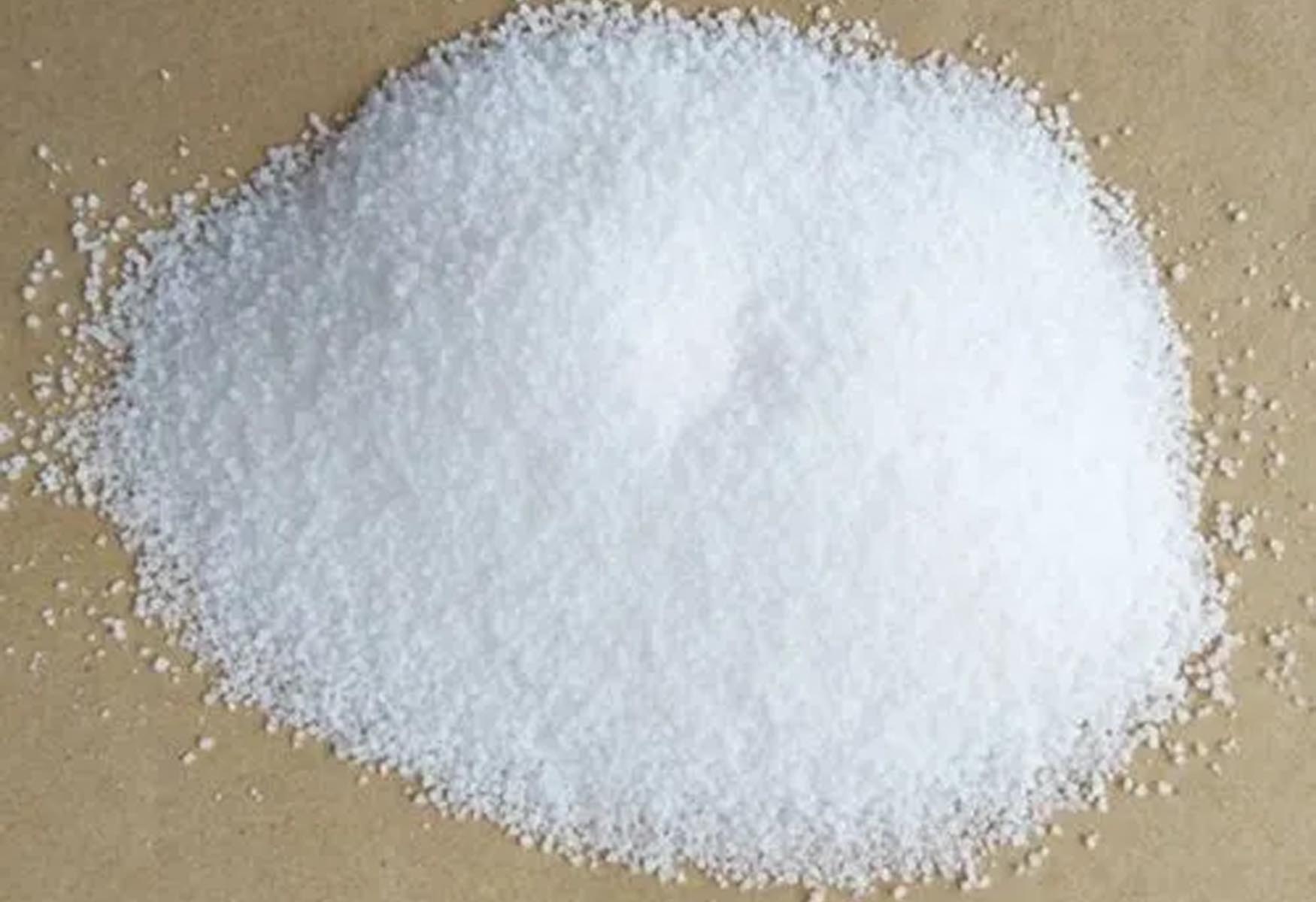
Potassium Hydrogen Carbonate
Potassium hydrogen carbonate, more commonly known as potassium bicarbonate, is a white, odorless crystalline solid with the chemical formula KHCO3. It is widely used as a versatile, non-toxic base in industries ranging from agriculture to medicine.
Key Chemical Properties:
- Molar Mass: 100.115 g/mol.
- Solubility: Highly soluble in water (approx. 22.4 g/100 mL at 20°C).
- pH: Mildly alkaline, typically ranging between 8.0 and 8.6 in aqueous solutions.
- Decomposition: When heated above 100°C, it decomposes into potassium carbonate (K2CO3), water (H2O), and carbon dioxide (CO2).
Major Applications:
- Food Industry: Used as a leavening agent in baking and a sodium-free alternative to baking soda for low-sodium diets. It also acts as a pH regulator in winemaking to reduce acidity.
- Agriculture: Functions as an eco-friendly fungicide to control powdery mildew and apple scab, and serves as a pH regulator for acidic soils.
- Medicine: Utilized as an antacid to neutralize stomach acid and as a supplement to treat hypokalemia (low potassium levels).
- Fire Safety: A primary component in Purple-K dry chemical fire extinguishers, where it is twice as effective as sodium bicarbonate at suppressing Class B and C fires.
- Laboratory & Industrial: Acts as a buffering agent, catalyst in chemical synthesis, and mild abrasive for cleaning sensitive equipment.