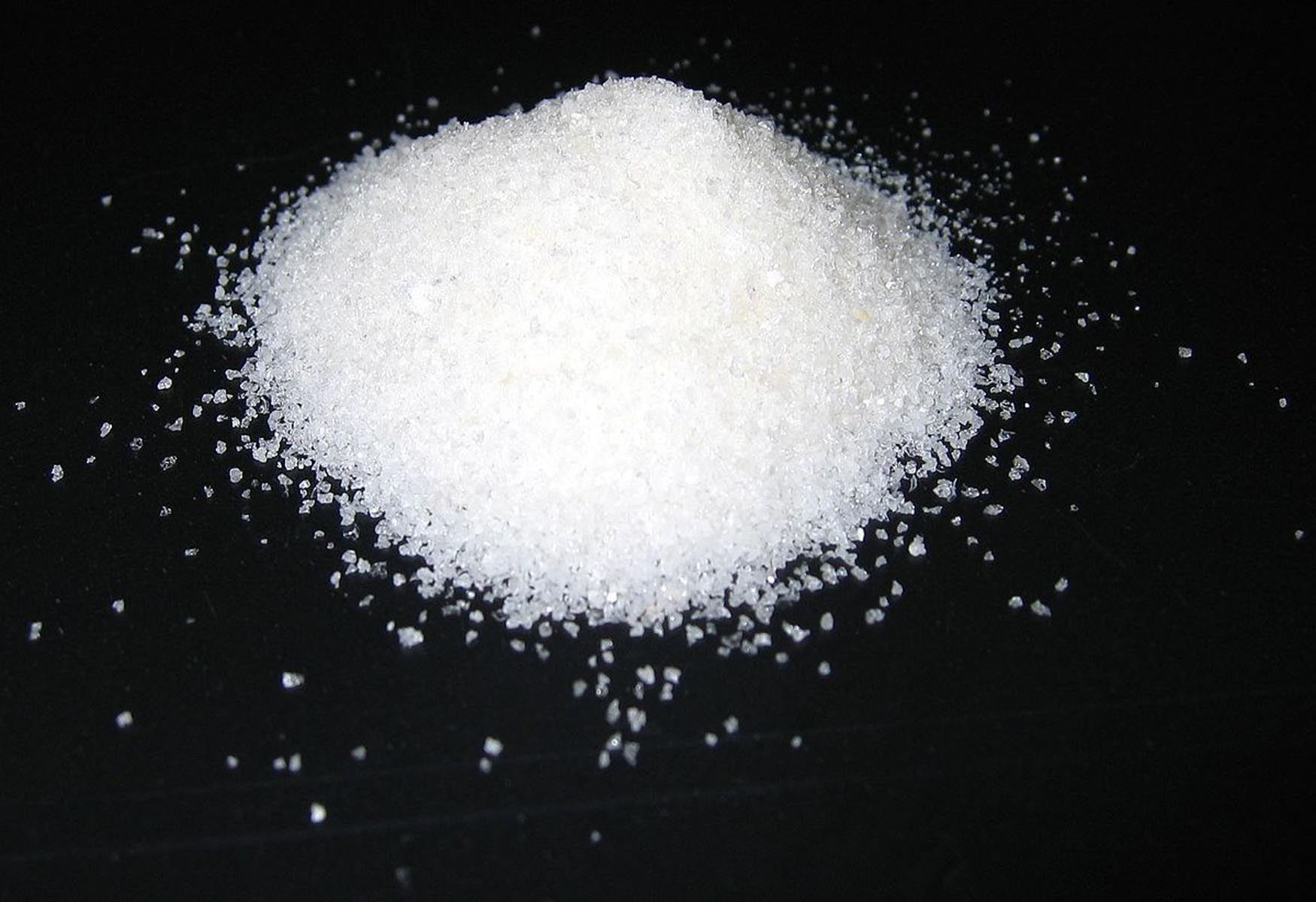
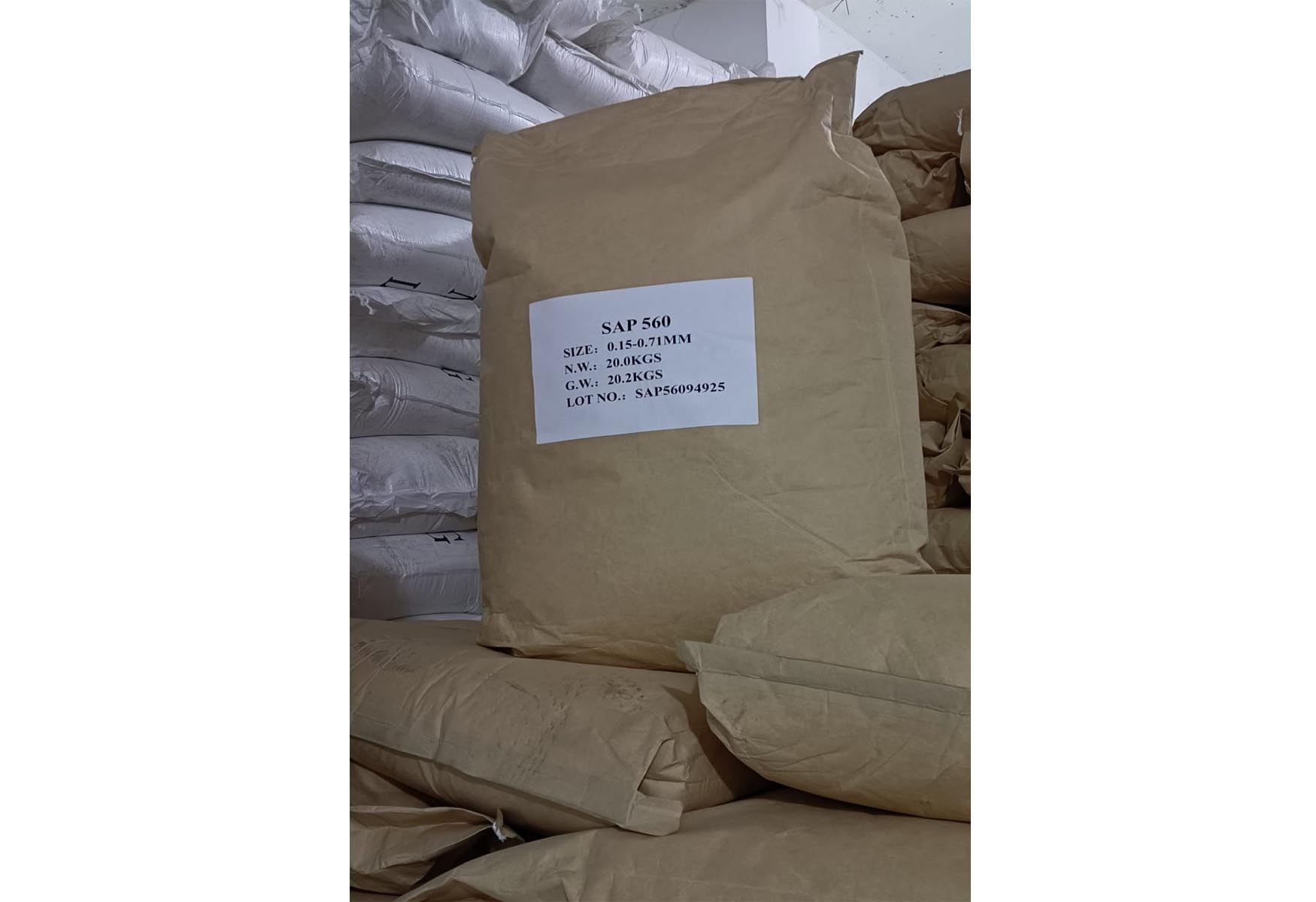
SAP (Super Absorbent Polymers)
Super Absorbent Polymers (SAPs) are used in oil drilling to manage drilling fluids, solidify waste, and control fluid loss, forming gels to prevent leaks, improve drilling efficiency (by reducing torque), and solidify oily waste for easier, safer disposal, thereby cutting costs and environmental impact. They work by absorbing vast amounts of liquid (like water or hydrocarbons) and locking it into a solid, manageable mass, acting as borehole stabilizers, improving fluid rheology, and aiding in oil spill cleanup.
Key Applications in Oil & Gas Drilling:
- Fluid Loss Control: Added to drilling muds (fluids) to create a barrier and stop them from escaping into porous rock formations, saving costs and preventing contamination.
- Waste Management: Solidify oily drilling muds and cuttings into a solid, sponge-like material, reducing hazardous waste volume and disposal costs.
- Borehole Stability: Help stabilize shale and clay, preventing swelling and sloughing, which improves drilling stability and reduces equipment wear.
- Hydraulic Fracturing: Used to increase the viscosity of fracturing fluids, improving their ability to carry proppants and preventing fluid loss into the formation.
- Enhanced Oil Recovery (EOR): Can modify water flooding to improve oil sweep efficiency in reservoirs.
- Oil Spill Cleanup: Absorb hydrocarbons from spills, turning them into solid, manageable material for easier removal and potential energy recovery (burning).
How They Work:
- Absorption: SAPs, often sodium polyacrylate-based, absorb liquids (water or hydrocarbons) many times their weight.
- Gel Formation: They form a stable, solid gel, locking the liquid inside, even under pressure, making the waste non-hazardous and easy to handle.
- Rheology Modification: Polymers like Polyacrylamide (PHPA) create non-Newtonian fluids that offer high viscosity at low shear (suspending cuttings) and low viscosity at high shear (reducing pumping pressure).
Benefits:
- Reduced environmental impact and risk.
- Lower waste disposal costs.
- Improved drilling efficiency and safety.
- Versatile for different fluid types (oil-based & water-based).